
Explore South Goa
Beaches you have to work a little to find, waterfalls that only exist in the monsoon, forts, temples and lakes that bubble when you clap. This is the real south — go gently, and leave it as you found it.
Explore by Area
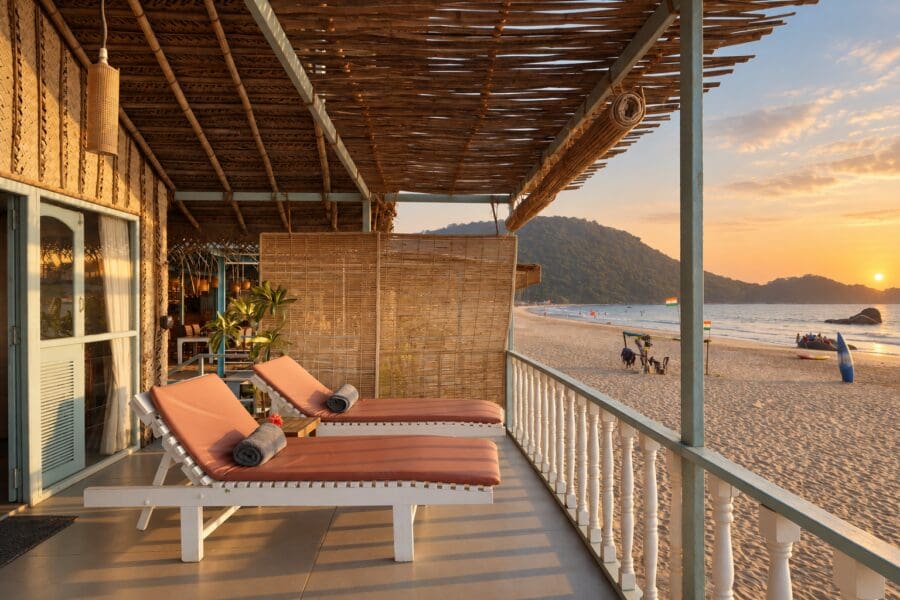
Agonda
A long, calm crescent that keeps its peace. Sea-view cottages, turtle-nesting sands at the north end, and some of the south’s best sunsets.
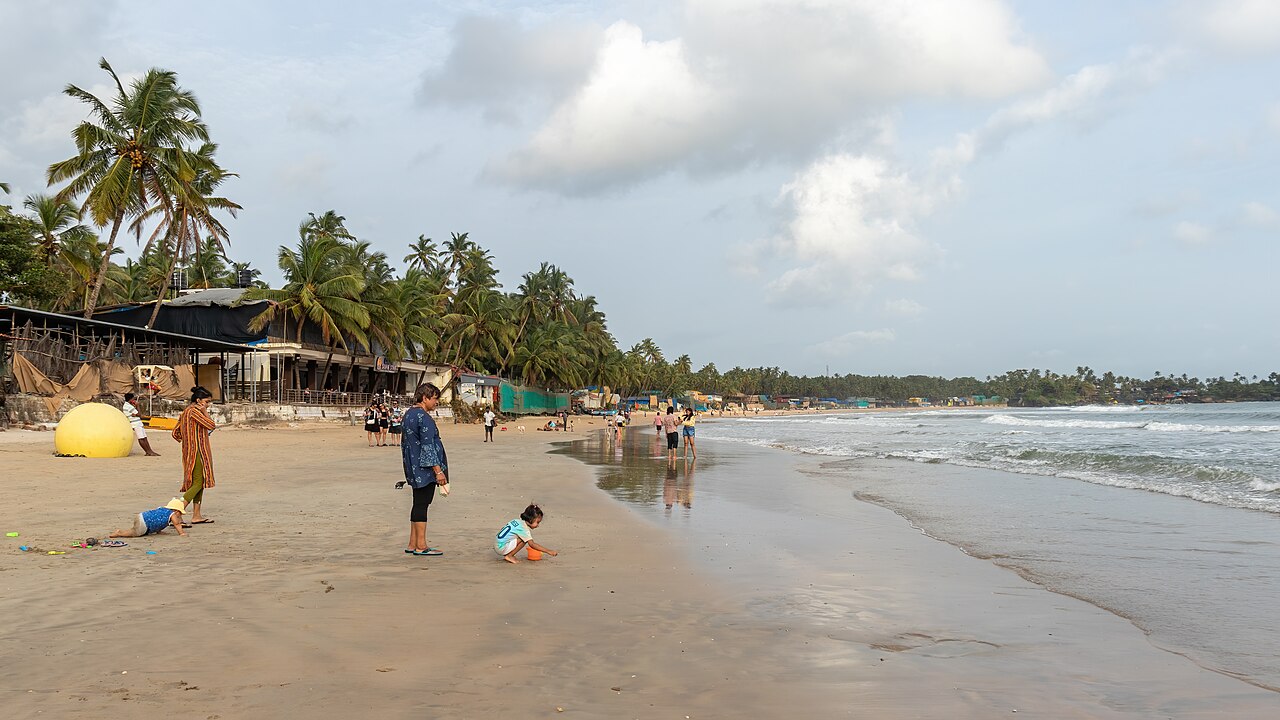
Palolem
The famous one — a perfect palm-fringed bay, busy in the best way, with kayaking, boat trips and the Silent Noise tradition.
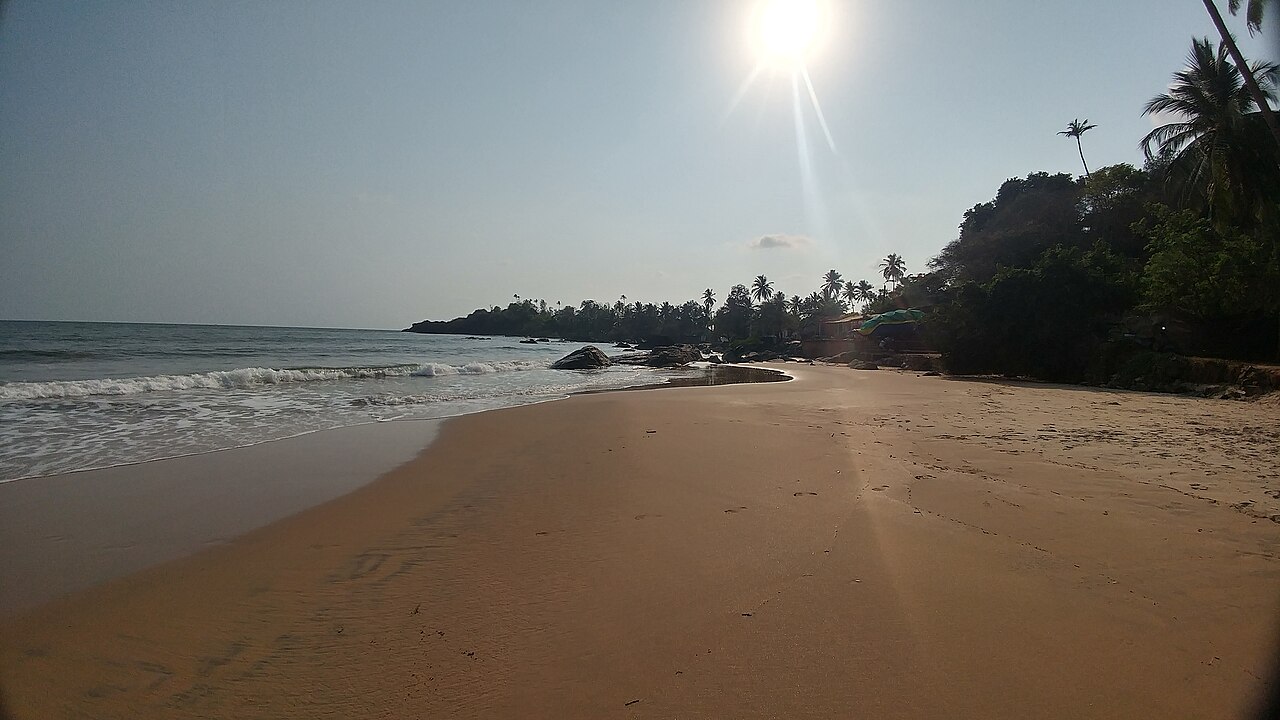
Patnem
Palolem’s quieter little sister: a small bay, a few shacks, yoga decks and room to breathe.
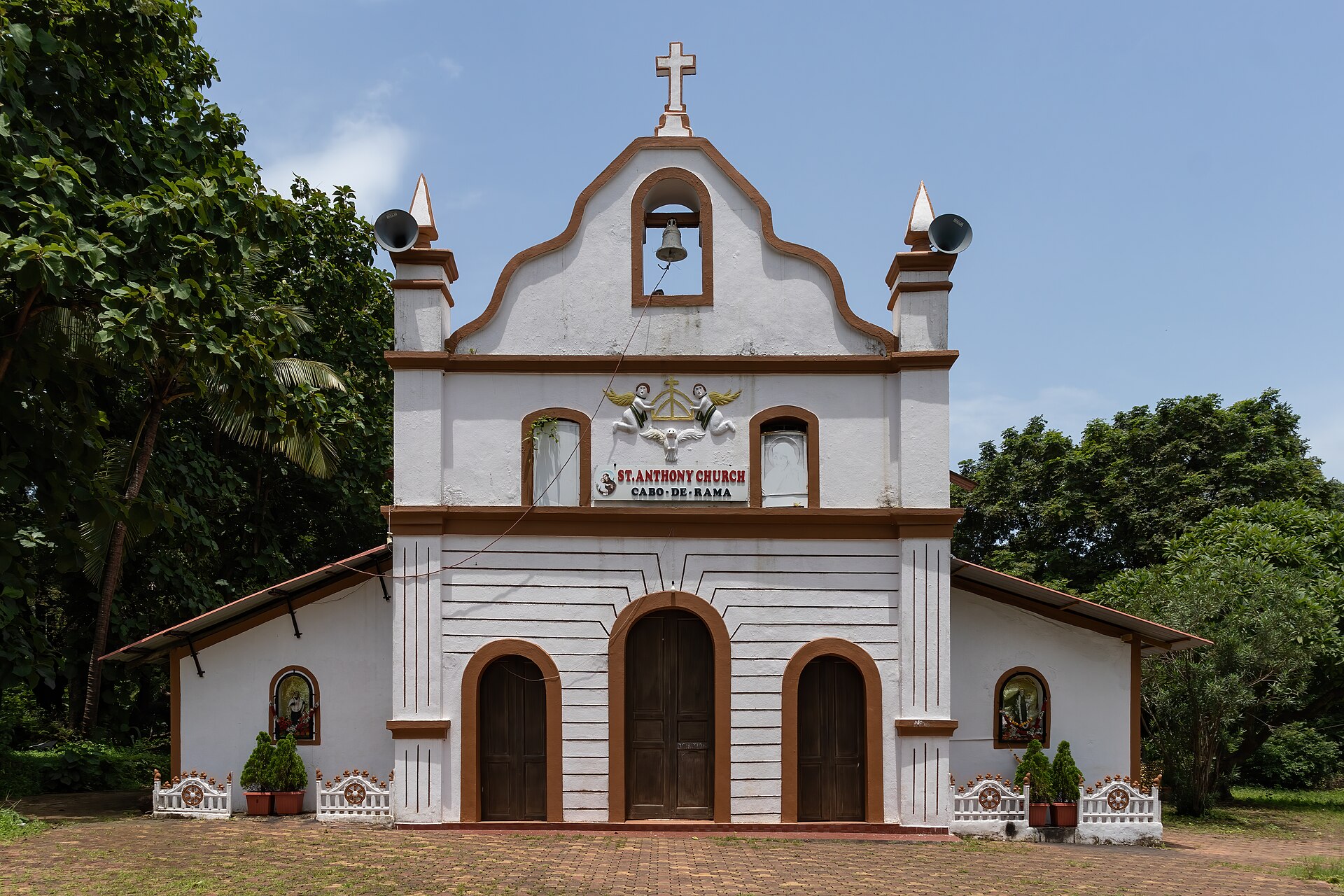
Cabo de Rama
Cliff tops, a Portuguese fort and empty coves below — the wild edge of the Canacona coast.
Canacona
The coast as a whole: Cola’s lagoon, Galgibaga’s turtles, Talpona’s river — one taluka of small wonders.
Netravali & Sanguem
Inland: spice farms, bubbling lakes, ancient rock carvings and waterfalls that roar back to life each monsoon.
Cola, Canacona
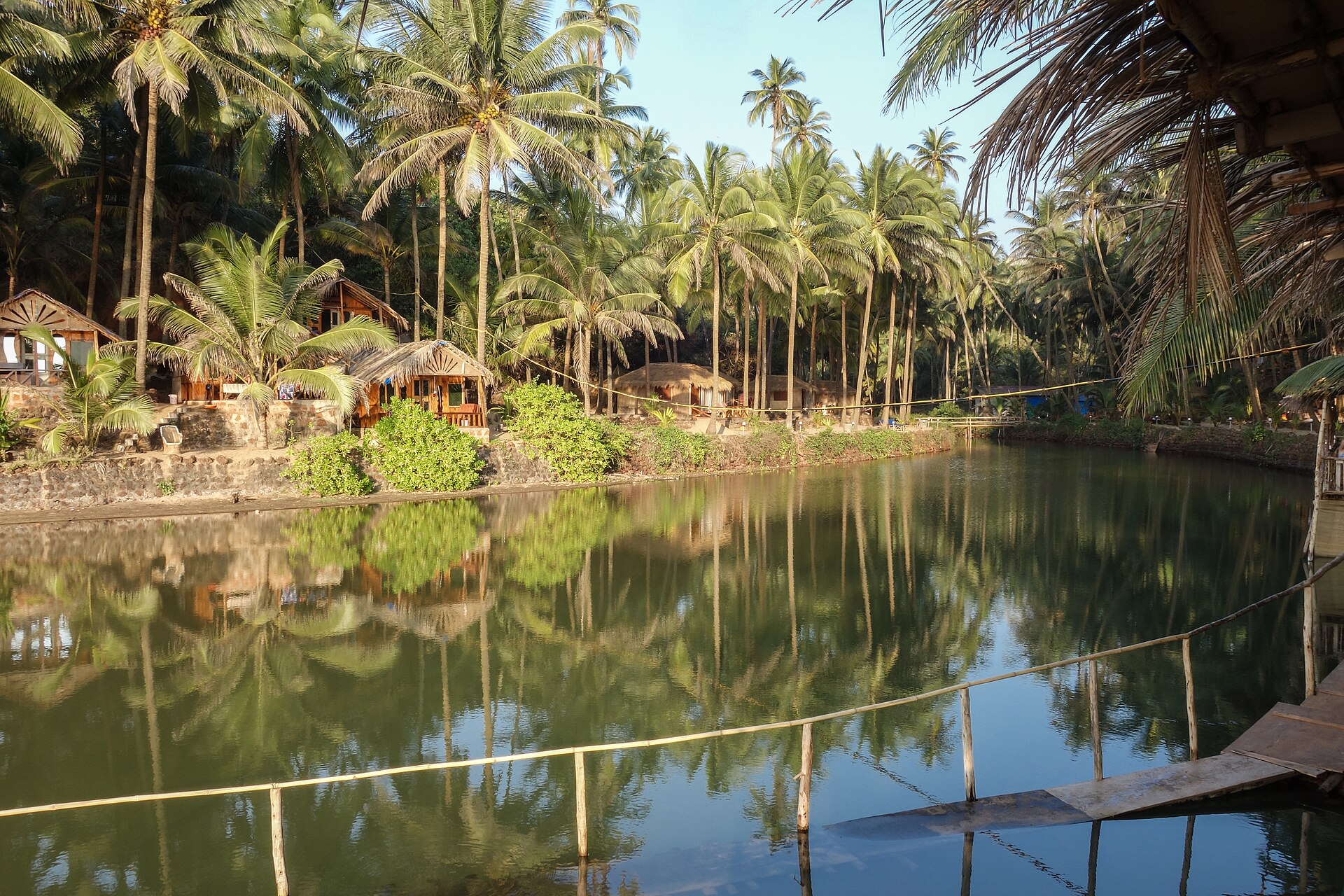
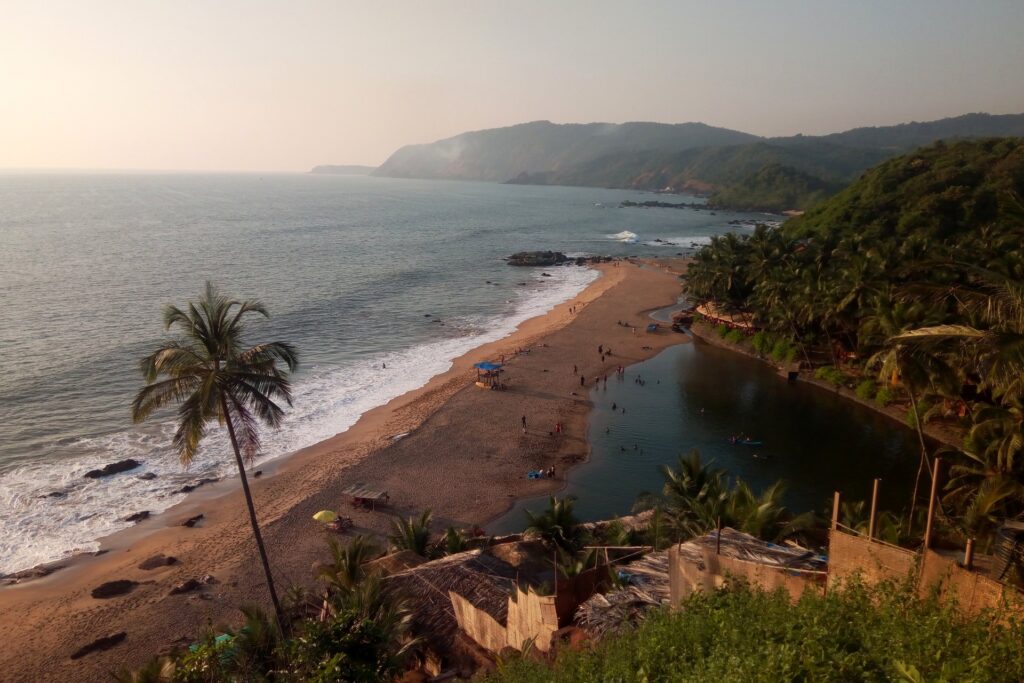
A secluded cove where a freshwater lagoon meets the sea, reached by a rough track north of Agonda. Palm-fringed, quiet, and made for slow afternoons: kayak the emerald lagoon, then watch the sun drop from the sand. One of South Goa's most photogenic arrivals.
Galgibaga, Canacona
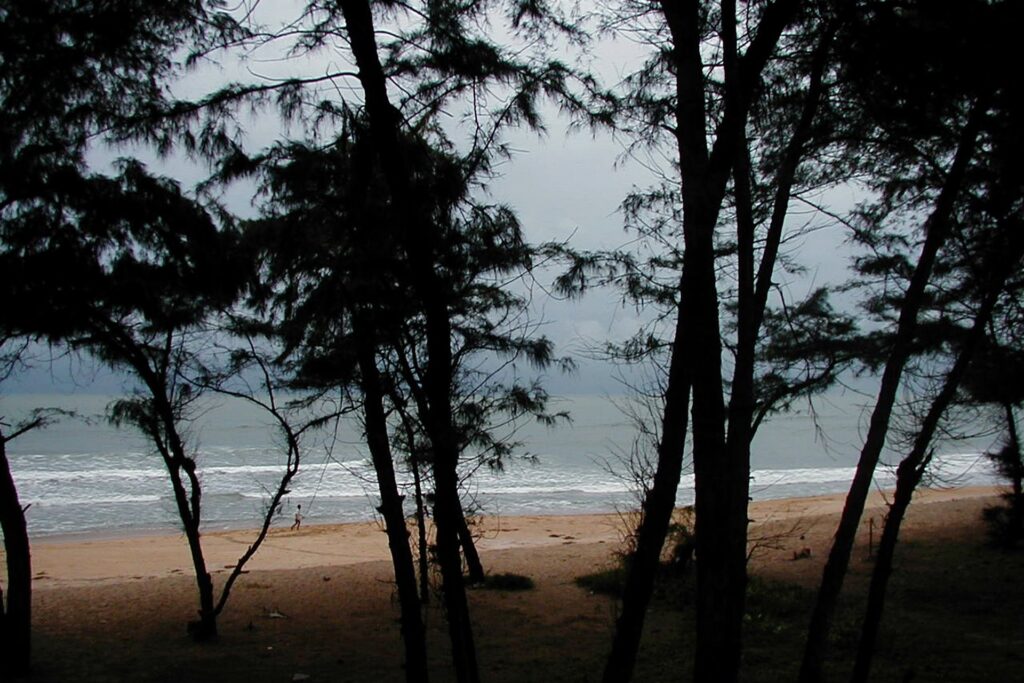
Goa's Turtle Conservation Reserve beach: a long, almost empty arc of sand where Olive Ridley turtles nest at night in season, protected by the Forest Department. No party scene, few shacks, the Talpona river meeting the sea at one end. Come for silence, not selfies with turtles.
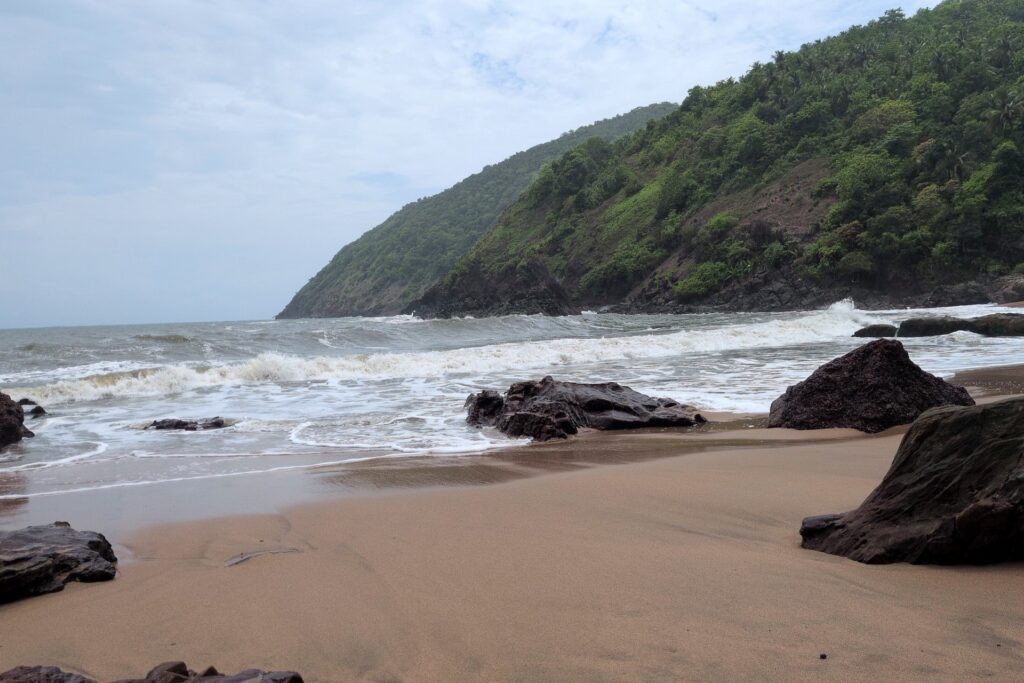
South of Cabo de Rama, Canacona
A tiny wild cove below the cliffs, reached by a steep stepped path (10–15 min down) after a rough track. In and just after monsoon a waterfall spills near the shore — a beach and a waterfall in one shot. Very few facilities; that's the point.
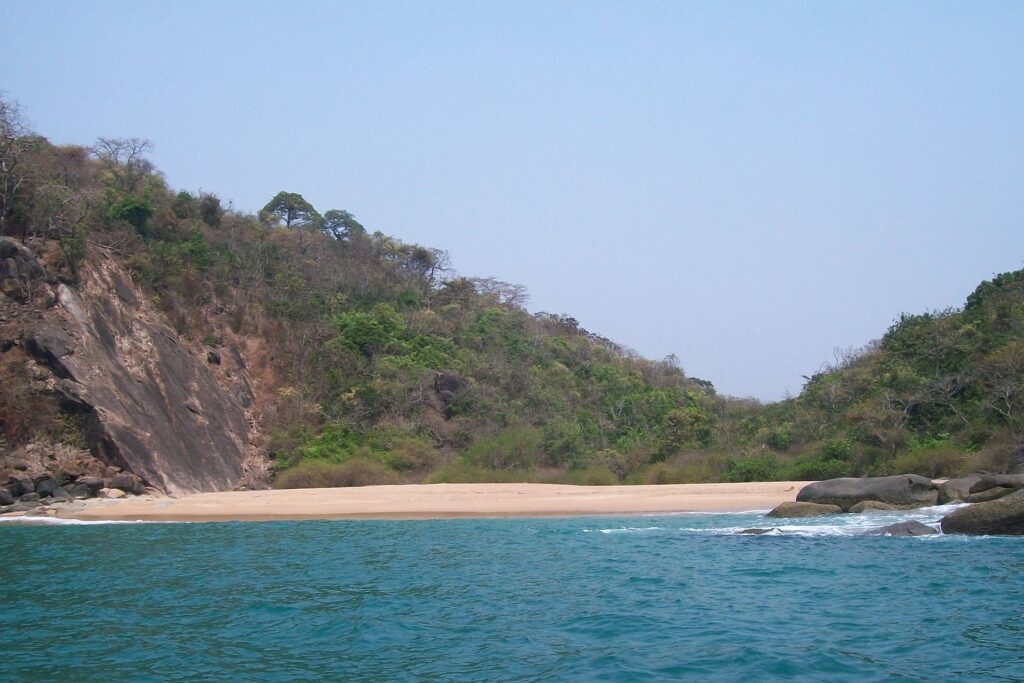
North of Palolem, Canacona
A small semi-circular cove hidden between forested headlands, reached by boat from Palolem/Agonda or a forest trek with a local guide. Golden sand, clear water, dolphins often seen on the boat ride over. No shacks, no facilities — carry water and take everything back.
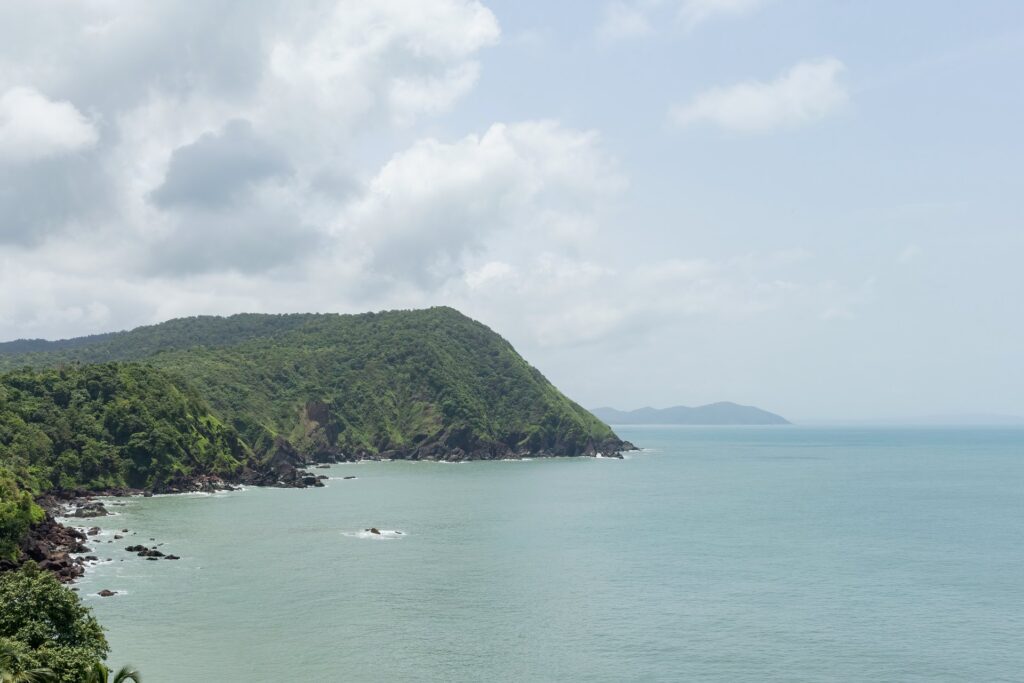
Cabo de Rama, Canacona
A clifftop fortress layered with Hindu, Muslim and Portuguese history (the Portuguese built the present fort from 1763), named for the Ramayana legend that Rama sheltered here. Inside: the white Church of Santo António against black laterite walls, cannons, and ramparts dropping straight to the sea.
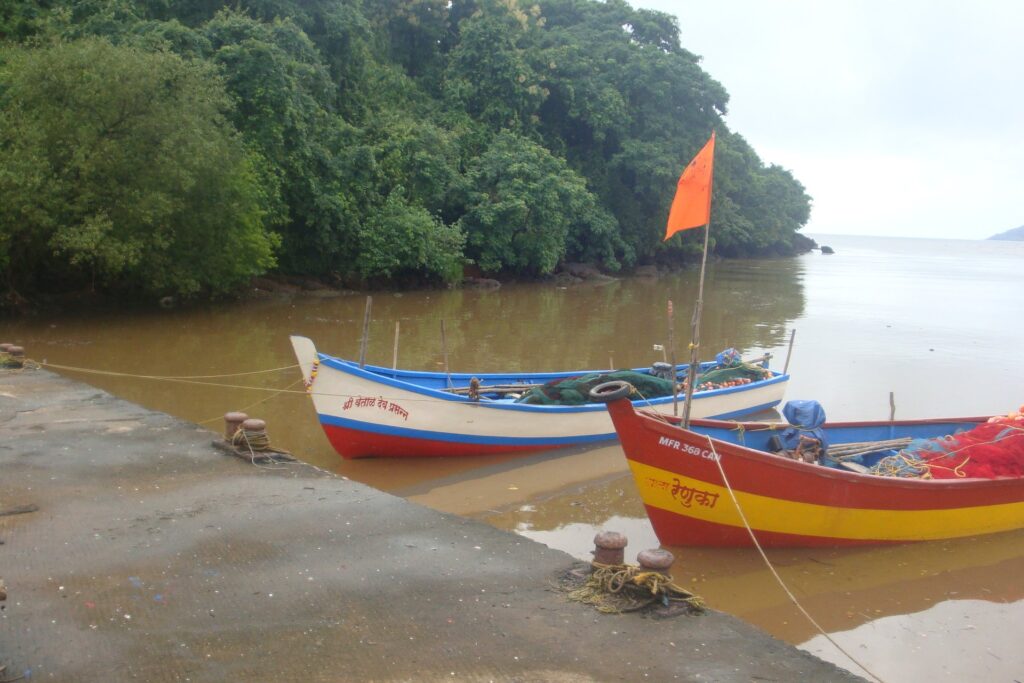
Talpona, Canacona
A scenic-drive pairing: the narrow blue Sadolxem bridge — one vehicle at a time — over the Talpona river, then quiet Talpona beach with a handful of shacks and a local, unhurried feel. The drive itself, through paddy fields and villages, is half the experience.
Cotigao, Canacona
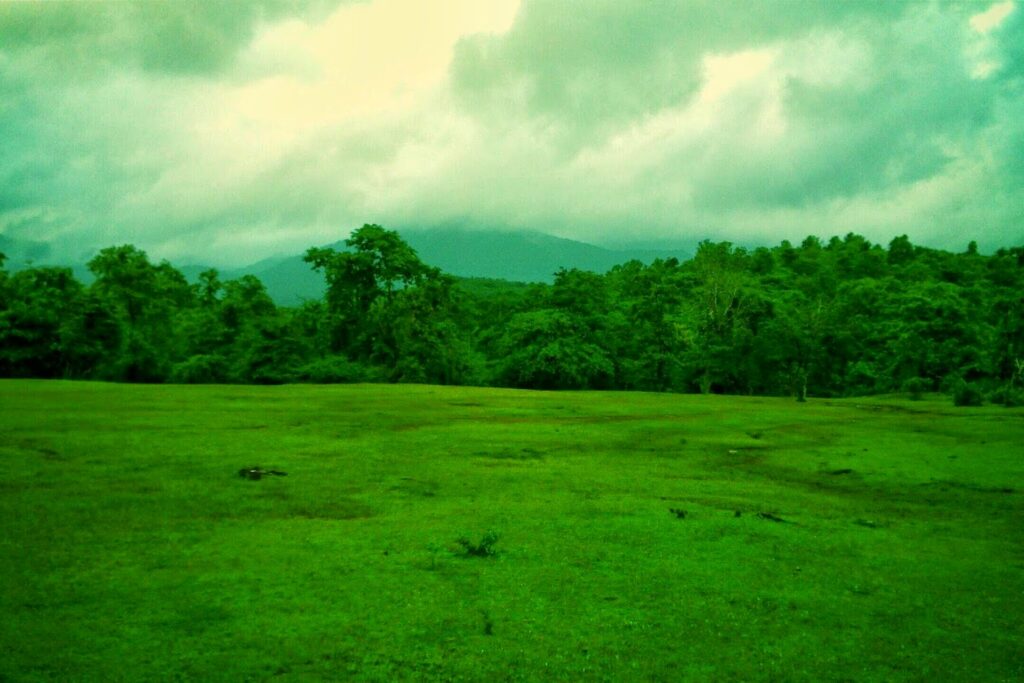
Goa's second-largest sanctuary: 86 sq km of tall deciduous forest on the Karnataka border, with nature trails (500m–5km), a butterfly park, a nature interpretation centre, and a 25-metre treetop watchtower over a watering hole. Sightings favour birds — Malabar hornbills, trogons, woodpeckers — over big mammals.
Netravali, Sanguem
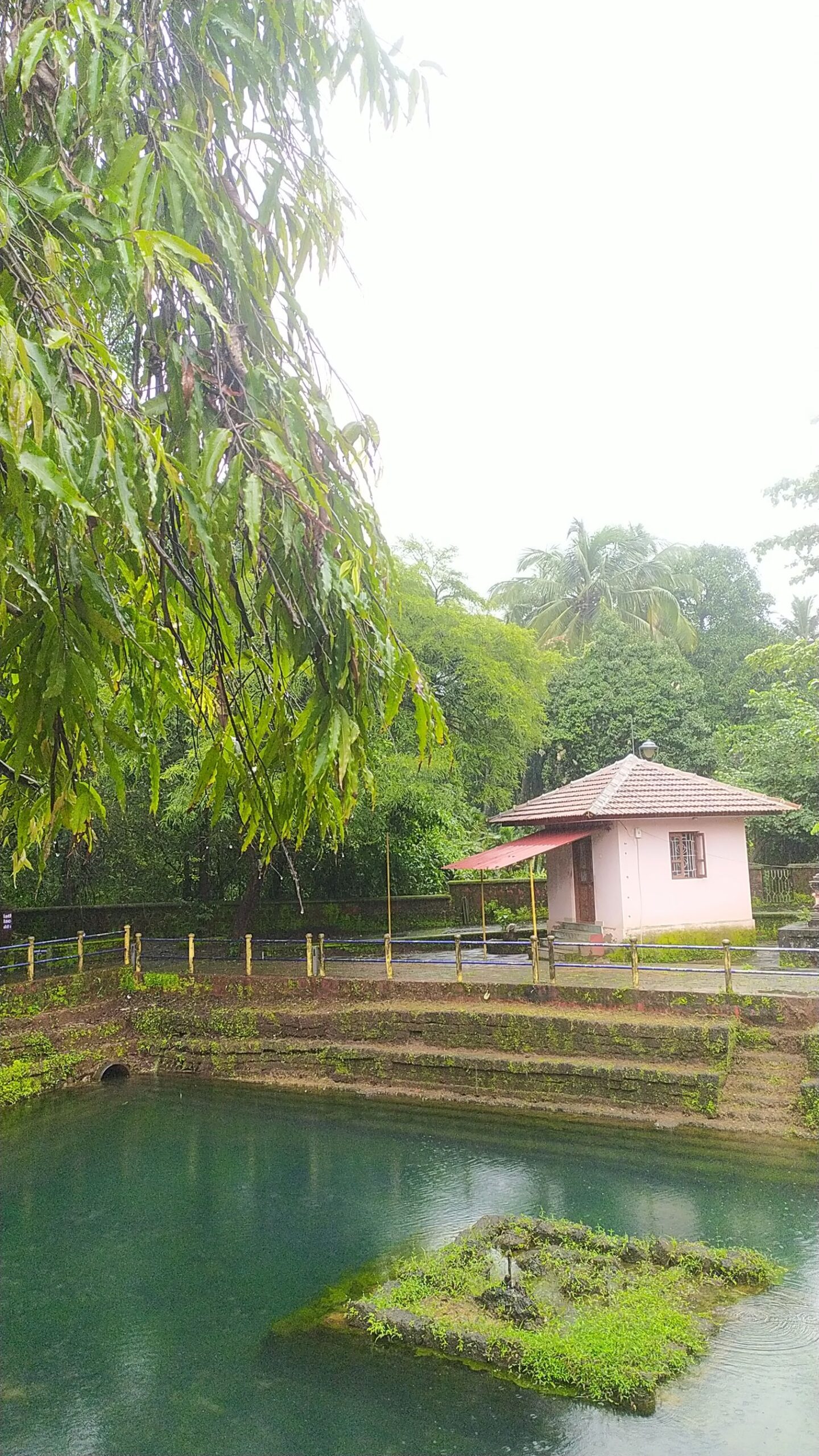
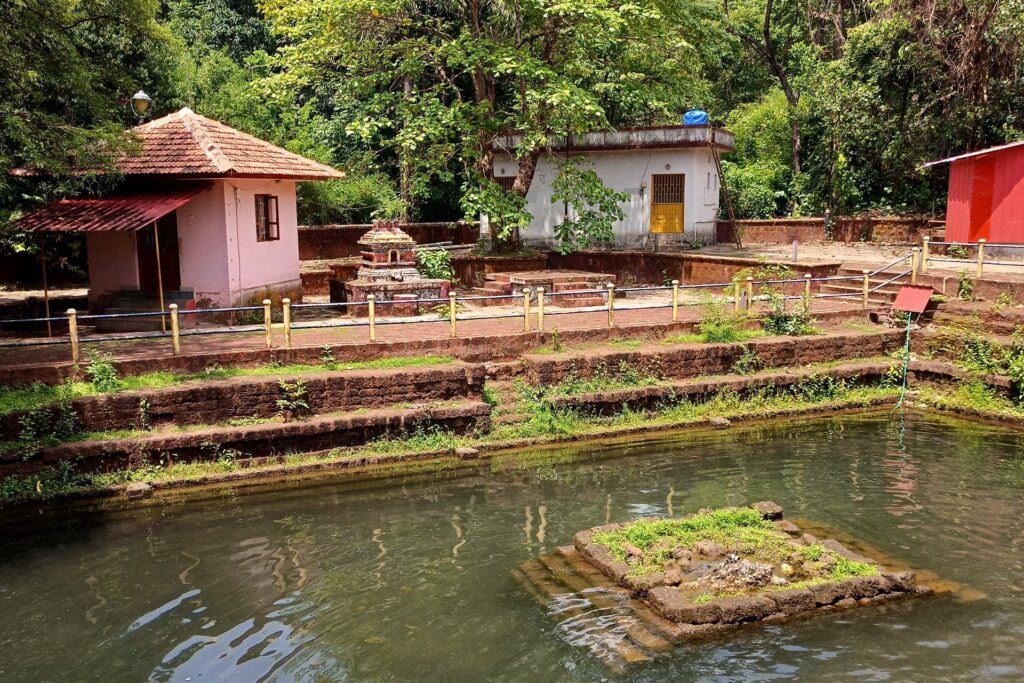
A small temple tank beside the Gopinath Temple where bubbles rise from the depths — and famously quicken when you clap. Science points to underground gas disturbed by vibration; local faith has its own explanation. Either way, it's a 30-second moment of pure delight.
Palolem, Canacona
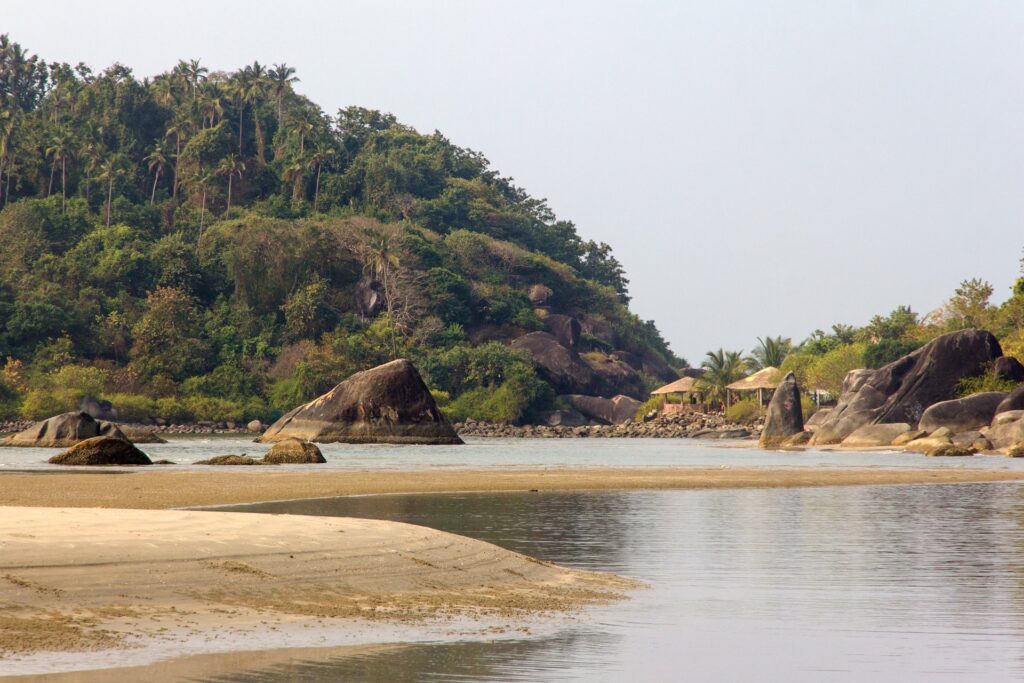
At Palolem's north end the river slips behind the beach into mangrove backwaters. Local boatmen run gentle trips past fishing villages and birdlife, out around rocky Canacona Island — herons, brahminy kites and kingfishers instead of beach crowds. Early morning and golden hour are best.
Netravali, Sanguem
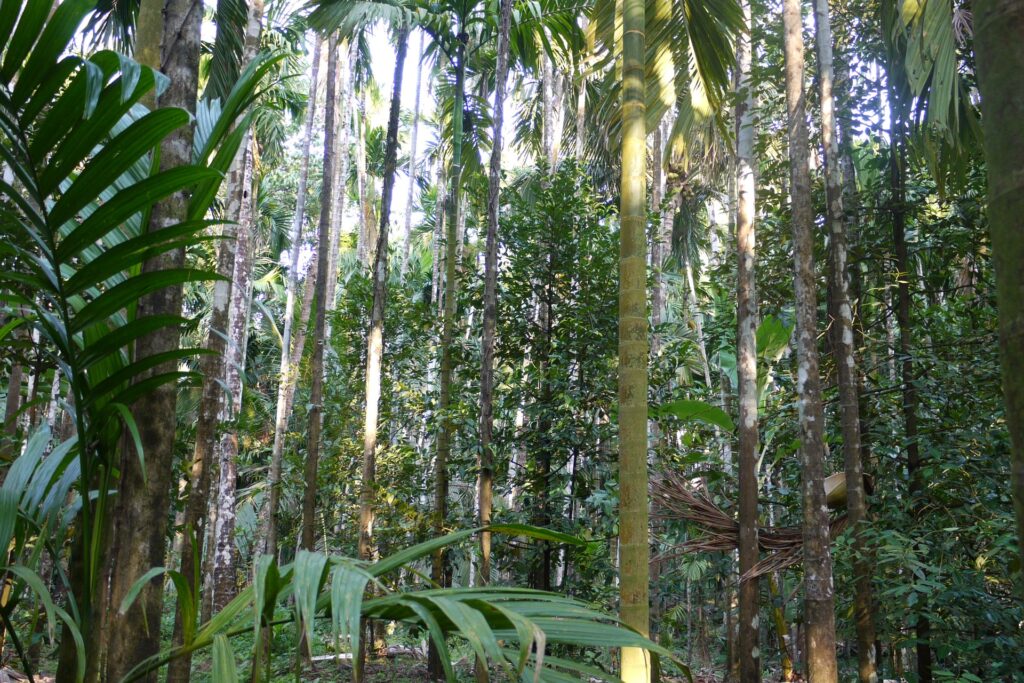
A certified-organic, family-run spice farm in the Netravali foothills: guided walks through vanilla, nutmeg and pepper vines, honey-bee keeping, a 250-year-old heritage house, and a buffet lunch cooked with the farm's own spices served in clay pots. Eco-stay cottages if you want to linger.
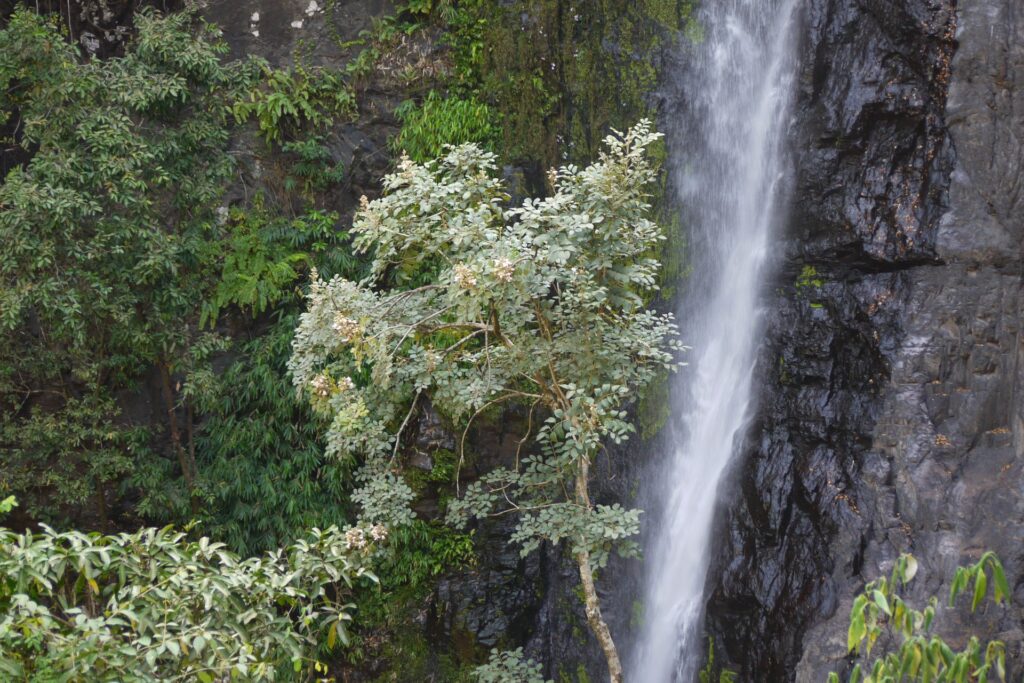
Netravali, Sanguem
Savari's wilder twin: a ~4–5 km forest trek crossing streams to a taller, lonelier fall. Fewer people, more effort, and the full Netravali soundscape — cicadas, frogs, and water you hear long before you see it.
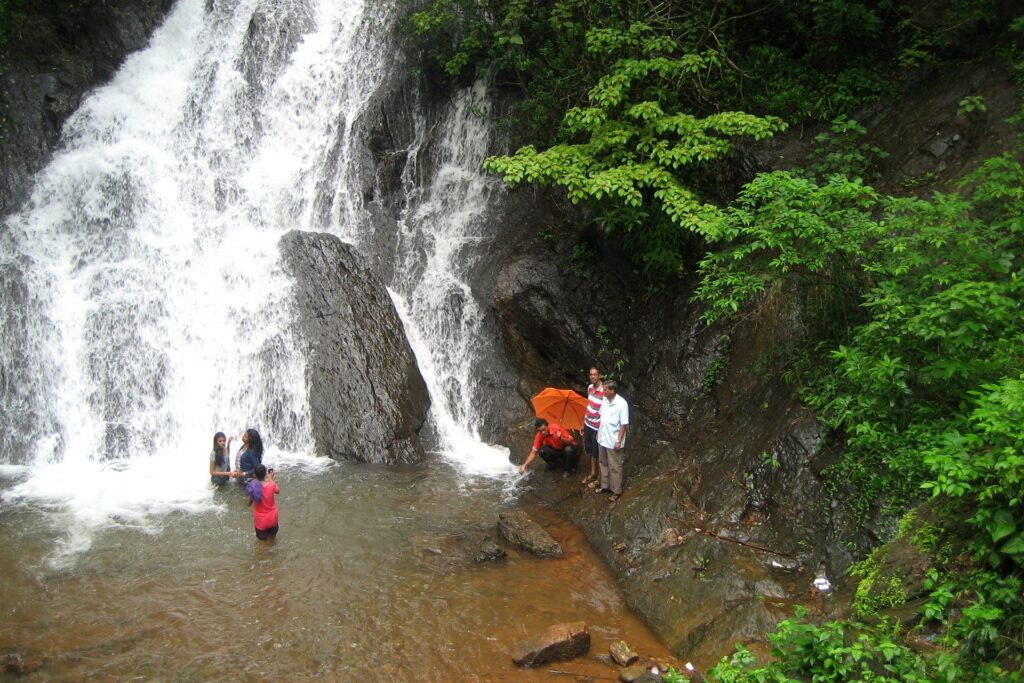
Gaondongrim, Canacona
A roadside waterfall that slides down smooth rock like a natural waterslide, right beside the forest road near Ambe Ghat — no trek, five steps from where you park. In full monsoon flow it's a joyful, family-friendly stop on the way to Netravali.
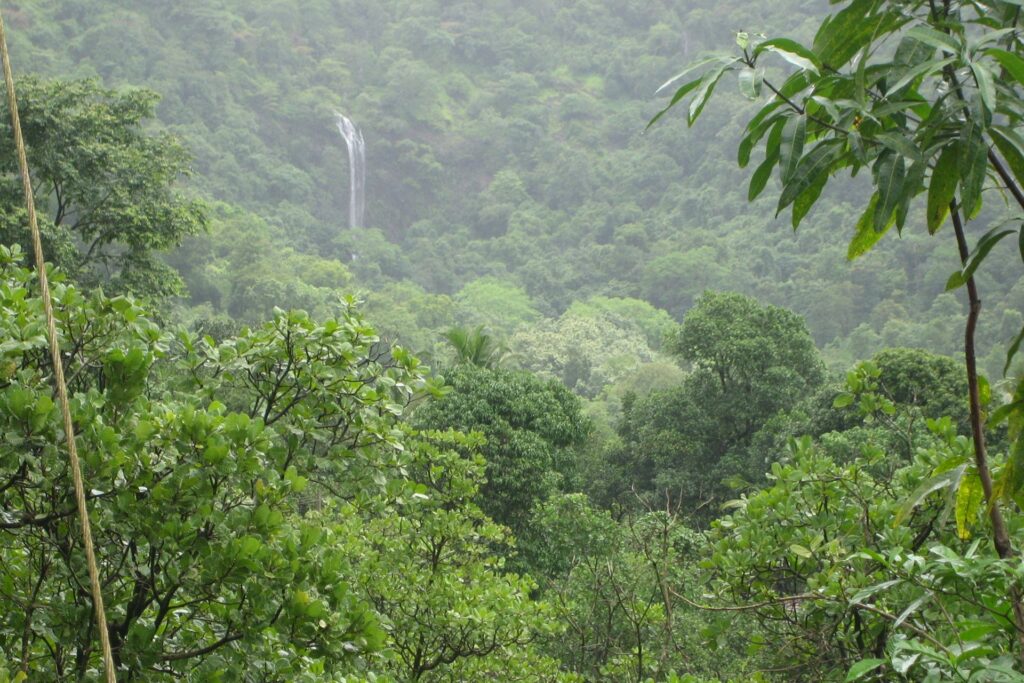
Kuskem, Canacona
A tall seasonal fall hidden in forest near the Cotigao sanctuary — a 30–45 minute walk through green corridors to a curtain of water that simply doesn't exist outside the rains. Often you'll have it entirely to yourselves.
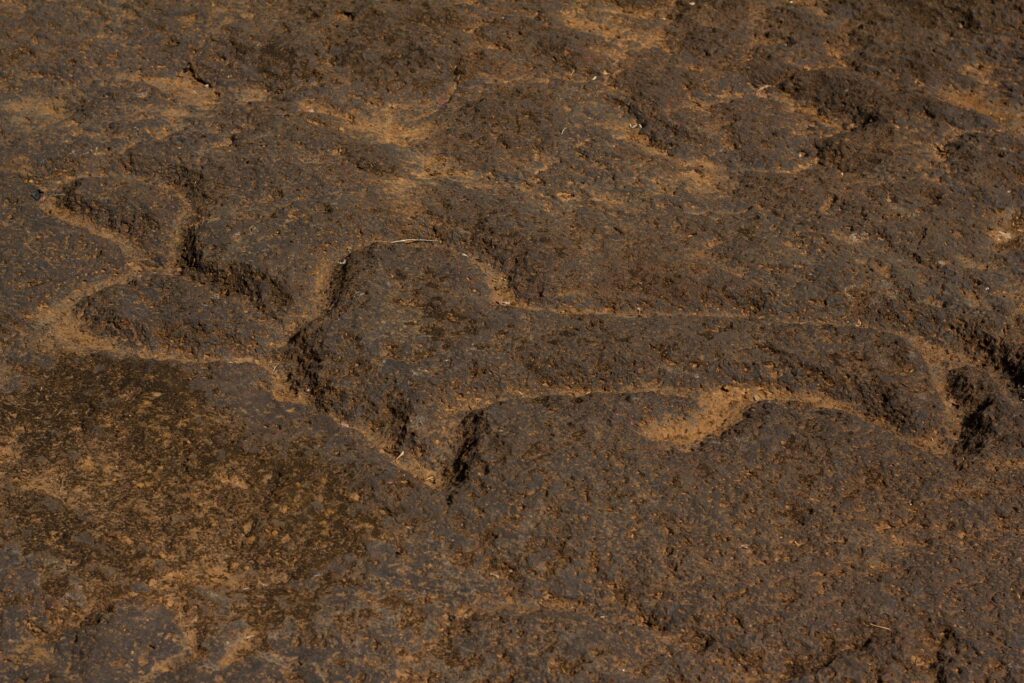
Usgalimal, Sanguem
Over 100 prehistoric rock carvings in a laterite riverbed on the Kushavati — bulls, deer, a dancing figure, a peacock, and concentric "triskelion" circles thought to be an early time-measure. Estimates of age range widely (thousands of years); discovered for archaeology only in 1993.
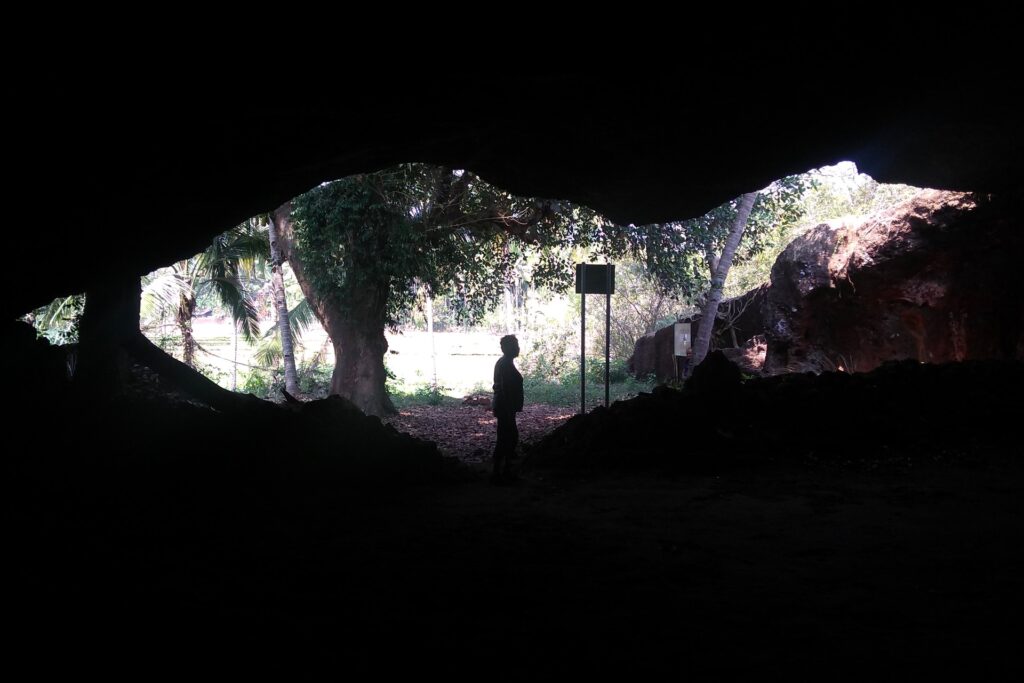
Rivona, Sanguem
Laterite caves attributed to Buddhist monks of the 6th–7th century, with a carved teacher's seat (pitha); local tradition also links them to the Pandavas' exile. A small, cool, quietly fascinating stop that pairs naturally with Usgalimal and Netravali on an inland day.
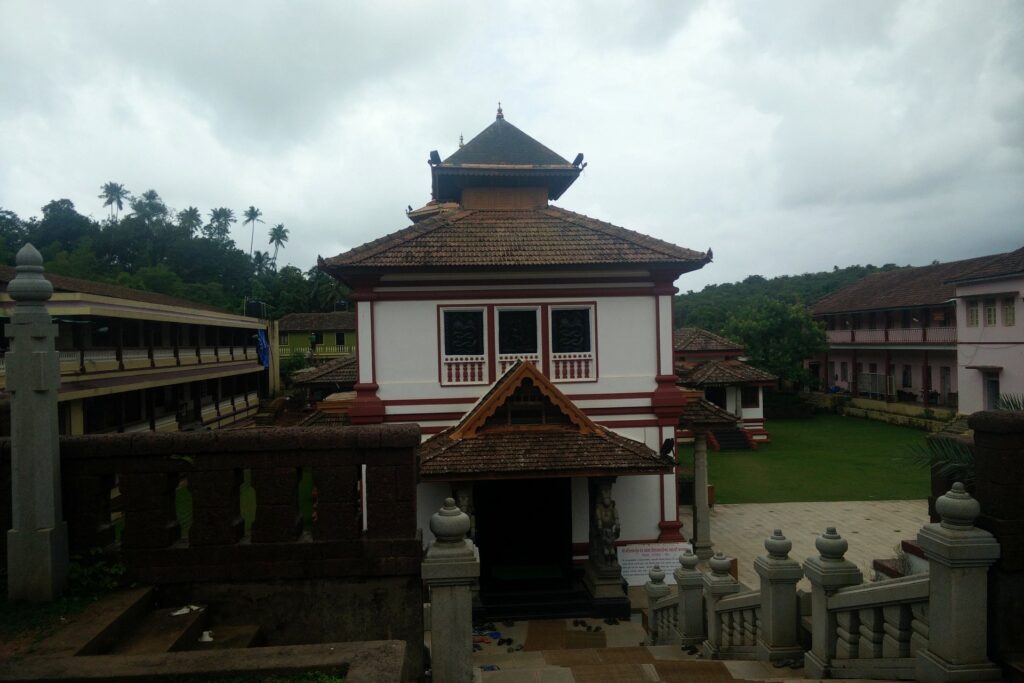
Shristhal, Canacona
One of Goa's oldest temples (mid-16th century, renovated 1778), dedicated to Mallikarjun, Shiva as the hunter who saved Arjuna. Set in a green valley ~8 km from Palolem, with carved wooden pillars telling Puranic stories and around 60 deities around the complex.
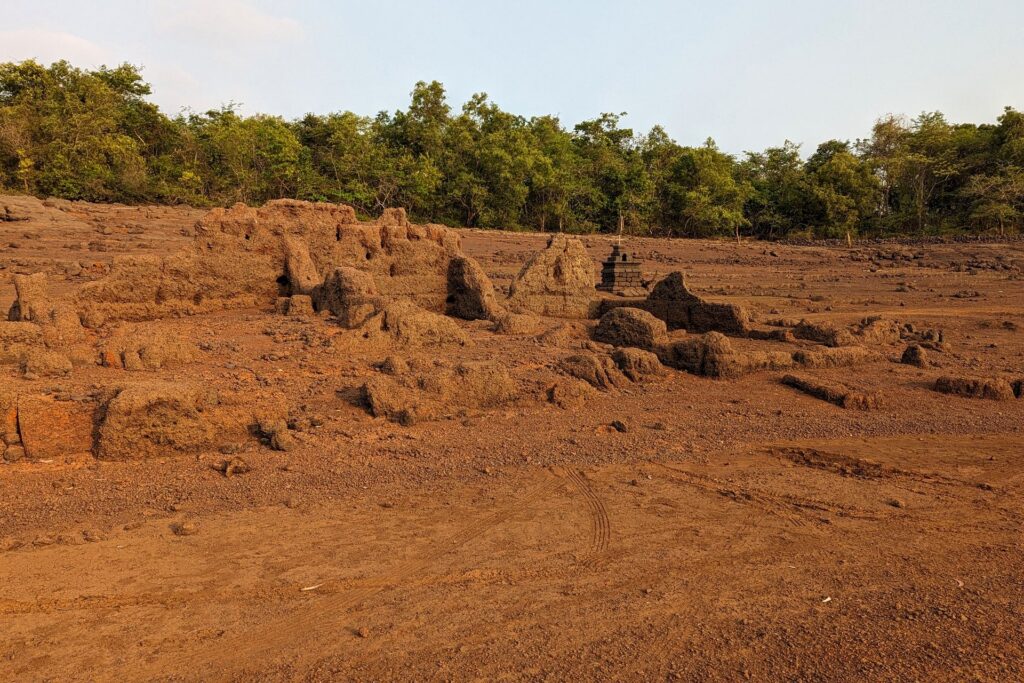
Curdi, Sanguem
A whole village submerged by the Salaulim Dam in the 1980s that re-emerges for a few weeks each April–May as the reservoir falls: temple, chapel, house foundations and roads rise from the water, and former residents return for the Someshwar Utsav and chapel feast.
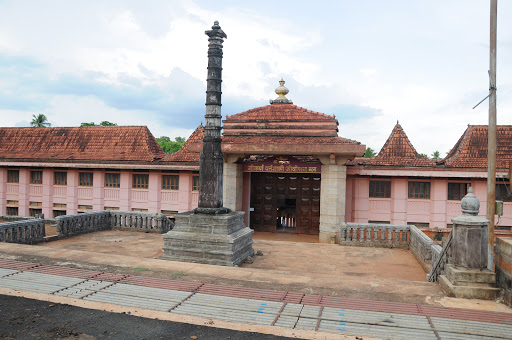
Partagali, Canacona
The Gokarna Partagali Mutt, a centuries-old centre of Gaud Saraswat learning on the Kushavati riverbank, with a riverside setting, temple architecture and one of India's tallest statues of Lord Rama recently installed on the premises.
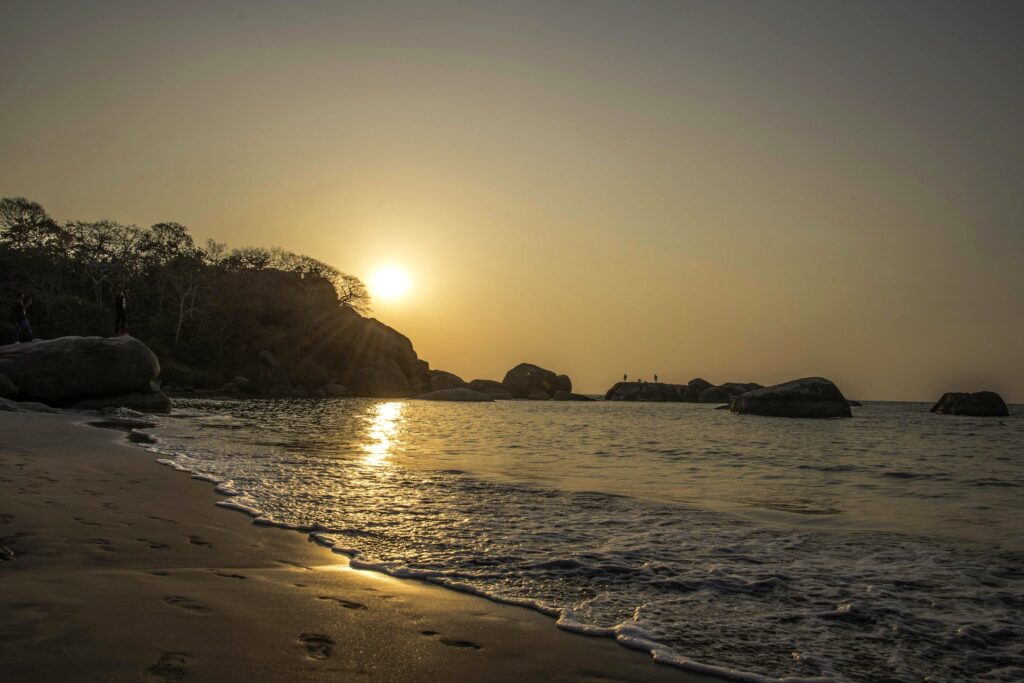
Agonda
Walk north at low tide where Agonda's river meets the sea: fishing boats, wading birds, toddy tappers in the palms and the village going about its morning — the working beach behind the postcard one. Agonda is also a notified Olive Ridley nesting beach in season, patrolled nightly by volunteers.
The Secret List
Untrodden places and experiences we don’t publish — one of several we keep off the map, shared one-to-one on Instagram with the care notes that keep them special.

Secret Place 1
Somewhere in South Goa
No directions, no pin — this one we share by message only.

Secret Place 2
Somewhere in South Goa
No directions, no pin — this one we share by message only.

Secret Place 3
Somewhere in South Goa
No directions, no pin — this one we share by message only.

Secret Place 4
Somewhere in South Goa
No directions, no pin — this one we share by message only.